
By Gwen Rockwood, newspaper columnist and mom of 3
Well, we did it. We thought about it for a long time, but something always held us back – vanity, frugality, perhaps a desperate grip on the last remaining scraps of our youth. But now that we’ve done it, we love it so much we don’t even care what it says about us. We’re the proud new owners of an adjustable bed.
The first time I saw a remote-control bed was during the 1980s. There was a TV commercial showing a white-haired couple lying in bed looking about 200 years old. With the touch of a button, their magic bed slowly raised them to an almost-sitting position so they could eat stewed prunes and watch the Lawrence Welk show on television. The concept was great, but the ad didn’t appeal to most people under the age of 90.
A century ago, stationary beds probably made sense. Most people worked physically grueling jobs. At the end of the day, they fell into bed and didn’t move again until daybreak. But even though the nature of work and people’s daily routines have changed dramatically over time, the bed just kept lying there – stubbornly still and horizontal.
But these days, people do so much more than sleep in their beds. We read there. We check emails. We scroll way too much on social media. We burrow under the covers and try to beat Level 84 of Candy Crush. Sometimes we even carry our slice of pizza there on a paper plate and eat it while we queue up the next show on Netflix. The geniuses on TikTok even coined the phrase “bed rotting” to make staying in bed all day sound edgy and cool.
But time in bed doesn’t have to be completely unproductive. I often fold bath towels and match up socks while sitting in bed. Sometimes I even write columns in bed simply because snuggling in with a laptop feels less “worky” than sitting at a desk.
There are already a few low-cost accessories that give beds more options. Someone who was sick of stacking pillows invented those backrest bed loungers to make it easier to sit up. There are also bed wedges, neckrolls and lumbar support cushions. And those portable lap desks make eating cereal in bed far less risky than it used to be.
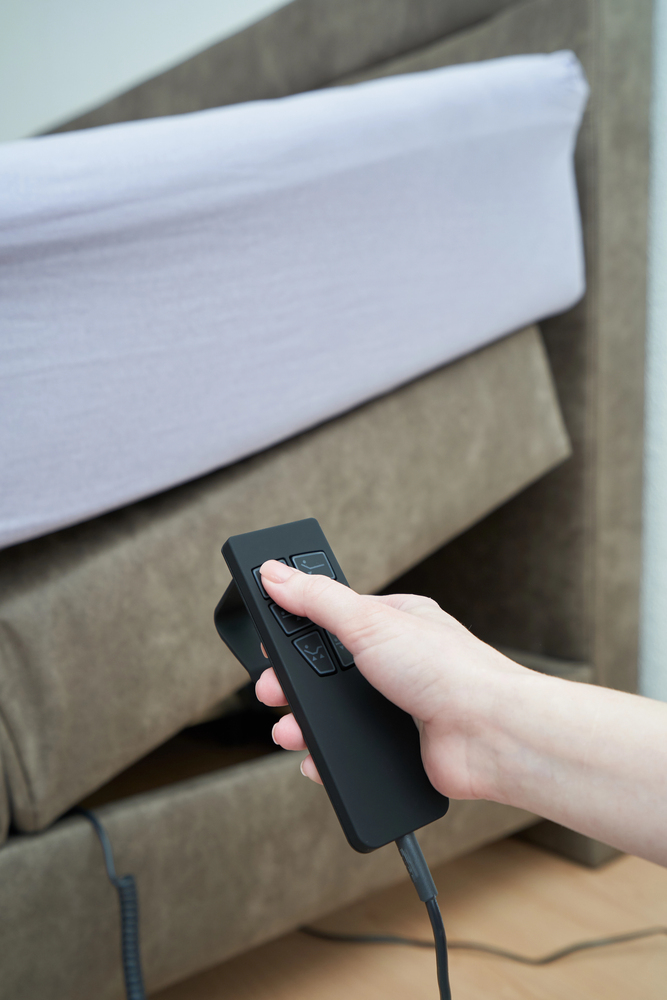
If it hadn’t been for that ancient infomercial in the 1980s, adjustable beds might have soared in popularity years ago. That ad made the adjustable bed look like the beginning of the end, as if the natural progression was to go from an adjustable bed to a hospital bed to a coffin. And no one wants to start that process any earlier than necessary.
But lately bed manufacturers have given adjustable beds a marketing makeover. Now we see younger, tech-savvy sleepers enjoying them in commercials. Beds are no longer just a slab of springs. Now they’re data delivery systems designed to optimize our sleep quality.
A few months ago, Tom and I found out that our neighbors, who are the same age we are, have an adjustable bed and they love it. Later that night, we discussed it in our boring, flat bed while staring at the ceiling:
Me: “Are we actually considering this? It’s crazy, right?”
Him: “Or is it? Aren’t you sick of waking up with a crick in your neck because you fell asleep watching TV while you were propped up on three pillows?”
Me: “Yes, the last time it happened I had to go to the chiropractor and admit that I hurt my neck in my sleep.”
Him: “Last night my hand fell asleep because I was trying to read my Kindle while holding it above my face in bed. I could really use an incline button. And just think… when you start snoring, I could raise your side of the bed with the remote control instead of kicking you under the covers, hoping it’s hard enough to make you stop snoring but not hard enough to make you mad.”
Me: “That does sound nice. And no one has to know about it, right?”
Him: “Right. No one has to know.”
Me: “Sweet dreams, honey.”
Gwen Rockwood is a syndicated freelance columnist. Email her at gwenrockwood5@gmail.com. Her book is available on Amazon.