
Sponsored post
Back-to-school season has a way of filling calendars quickly. Soccer. Dance. Music lessons. Clubs. Tutoring. With so many choices—and only so many hours between the final school bell and bedtime—how do parents decide which experiences are worth their family’s time?
One place to start is by changing the question. Instead of asking, “What activities should fill my child’s time?” try asking, “What will my child get to explore?”
At the Scott Family Amazeum, we think about that question constantly. When we create a learning experience, we want children to have something to figure out, choices to make and enough freedom to follow an idea somewhere we may not have anticipated.
Research supports that approach. The American Academy of Pediatrics points to play as an important way children develop skills such as problem-solving, self-regulation, collaboration and creativity. In “guided play,” adults create conditions for learning while children retain the freedom to explore and make discoveries themselves. That same thinking can help families evaluate activities.
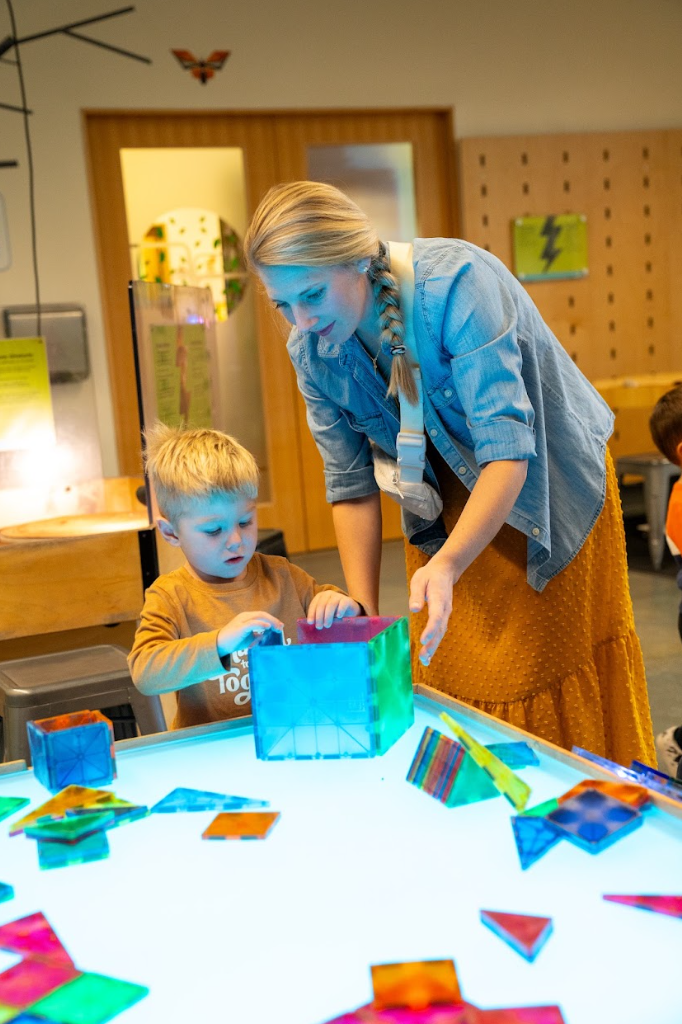
Look for opportunities to make choices
Children are more deeply engaged when they have some ownership of an experience. A great coach, teacher or facilitator provides guidance while still giving children room to make decisions and bring their own ideas.
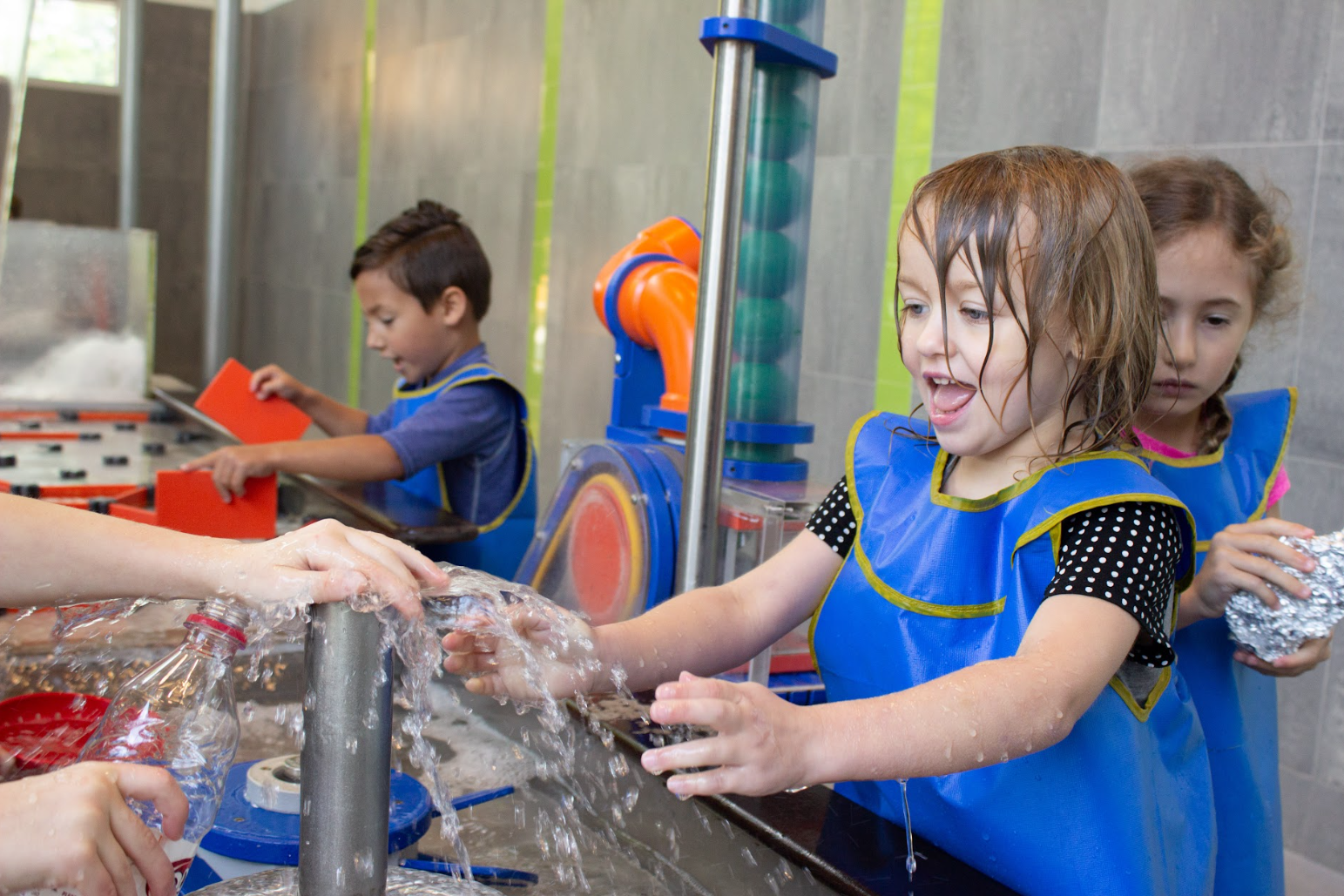
At the Amazeum’s Water Amazements area, kids experiment with flowing water and explore what happens when they redirect, block or release it. The environment offers possibilities, but there isn’t one prescribed way to use them.
That’s a good question to ask about any activity: Is my child only being told what to do, or do they have opportunities to explore and make choices, ask questions and make sense of the world around them?
Make room for failure
Some of the best learning happens when the first idea doesn’t work. Experiences that leave room to discover, adjust and try again help children practice problem-solving and get more comfortable taking risks.
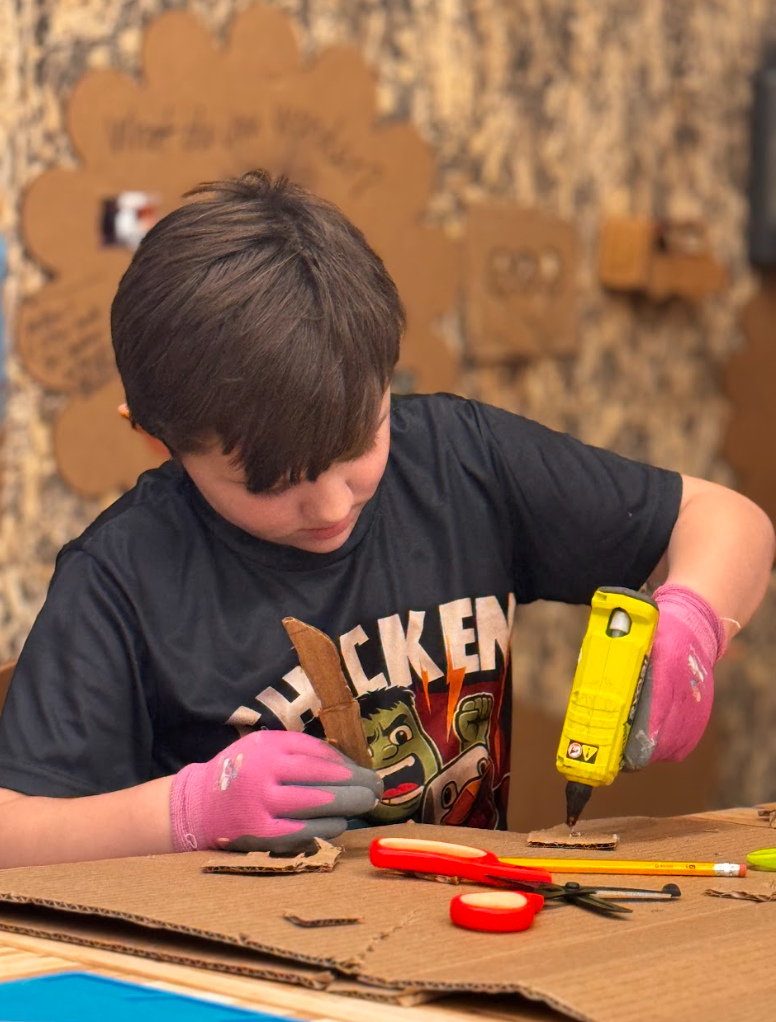
Think about creating something in the Amazeum’s Materials Lab. A material might not behave as expected. An idea might turn into something completely different once you start making it. For adults, the instinct can be to jump in with the answer. Try a question instead: “What could you try next?”
That cycle—plan, test, adapt, repeat—is learning in action. It exercises executive-function skills: the mental processes children use to focus, shift their thinking and work toward a goal. Harvard’s Center on the Developing Child notes that children develop these skills through interaction and practice. In a safe, low-stakes environment, a flop isn’t the end. It’s an invitation to try something new.
Pay attention to what happens afterward
One of our favorite signs of a meaningful experience is when it follows a child home.
Maybe a cardboard box becomes an invention. A walk turns into an investigation of bugs or rocks. A question from science club becomes a dinner-table conversation. When an experience is meaningful, rigorous, and sparks continued curiosity, that matters.
And meaningful learning doesn’t require another scheduled activity. Play is how children explore and make sense of the world. It can happen at a museum, but also while building a blanket fort, helping make dinner, digging in the dirt or inventing a game.
Our job as adults isn’t always to provide the answer. Sometimes it’s to be curious, ask questions, create the space for exploration, and resist the urge to take over.
So as the school year begins, ask:
- Does my child get to make choices?
- Is there room to try, fail and try again?
- Does the experience leave them wanting to know more?
Those are signs of an activity worth the time.
We hope you and your family make time for curiosity and play at the Amazeum soon. For a full list of programs and happenings, visit amazeum.org.
Be the first to comment