You are reading 'Healthy Mama'


30
October
2008

By Shannon Magsam

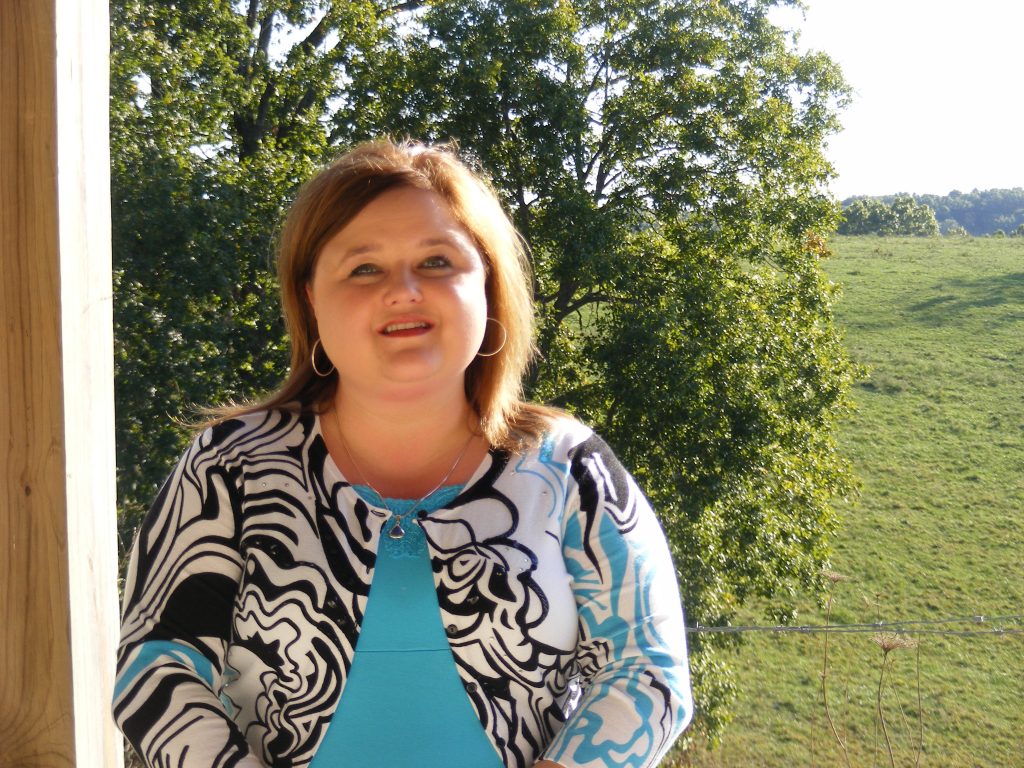
Editor’s note: So many women were rooting for Fayetteville mom Gail Halleck during a recent nwaMotherlode giveaway that we couldn’t help but wonder about the back story on this obviously remarkable woman. We found out that Gail, 43, is celebrating the first anniversary after a double mastectomy. Gail (on the far right in the picture) was happy to share her story in hopes of helping other women going through breast cancer. She’s also passionate about encouraging women to perform self breast exams and to determine whether they have dense breasts, which was recently linked to higher incidence of breast cancer. She feels that sharing this information is part of her mission in life now. Here’s her story:

gailimg_0434-1.jpgOn May 3, 2007, Gail was driving her 4-year-old daughter home after the last day of preschool. They had just celebrated the occasion with a school-wide tea party. Gail was trying to keep the mood light, but she couldn’t help feeling anxious. She had noticed a pea-sized lump in her breast the Friday before and wondered when she’d get the test results. She’d had fibrocystic breasts for a long time, but this lump felt different and she was experiencing tenderness too soon after her period.

Her cell phone rang just as she was turning onto their street in Fayetteville.

It was then she heard the news: fast-growing, aggressive cancer in her left breast.

“I went into the house and started scribbling notes,” she said. “They said I had invasive ductal carcinoma and I needed an MRI to determine if the other breast was clear and to get a better picture of things before surgery. It showed an area on the right breast that looked suspicious so then I had to have an MRI-assisted biopsy. Thankfully, it was determined not to be cancer.”

Gail was still stunned by the news and hurtled herself into learning her options to keep from being so scared.

On May 18, Gail had a lumpectomy (a surgical procedure which involves removing a suspected cancerous tumor or lump from the breast) and sentinel node biopsies on both breasts to determine how systemic the cancer might be.

“By then I was already talking to my doctor about a mastectomy,” she said. “There are a million decisions. That one was excruciating, but I knew that’s what I wanted.”

Thankfully, the cancer had not spread into her nodes and was only in the left breast, but she decided she’d like to have both breasts removed to decrease risk of future cancer. While it was a grade 3 tumor and it tested triple negative for for estrogen, progesterone and HER-2 protein, it was considered stage 1 (early detection) because of the small size of the tumor (just under one centimeter) and her clear node status.

Before the mastectomies, Gail started chemotherapy in June. Apart from the original diagnosis, Gail said the worst time for her was the fear of treatment.

“I was afraid of what chemotherapy would do to me,” she said. “I wondered if I’d get sick or not. But the reality was I didn’t throw up once. It wasn’t as bad as I thought. They manage that so much better now.”

As her doctors had predicted, exactly 14 days after the first chemo treatment her hair started falling out. It started with the hair on her head, followed by her eyebrows and eyelashes.

She also stopped having a period. But the hair was the most noticeable thing.

She got a wig because her son, Jacob, now 12, was starting middle school and she didn’t want to embarrass him. But she started wearing scarves and hats and she never really used the wigs.

“He got used to it,” she said.

Both her children were helped immensely during her chemotherapy by the support group called CLIMB at Helping Oncology Patients Excel (h.o.p.e.) in Fayetteville. Gail’s husband, Mark, otherwise known as her personal rock, attended support groups with her. Mark’s mother died of breast cancer nine years ago.

Friends were also a big part of an informal support group. They pitched in and took the children, Rachel and Jacob, to their homes for play dates and provided many meals along with emotional support (many of those were Leverett Elementary ladies who spoke up about Gail during the Bath Junkie contest). Gail’s sister, Wendy, (whom she calls “Sister Mom” because she’s seven years older) was also a huge support and she was made an honorary citizen of Northwest Arkansas last year because she practically lived here.

Gail completed chemo in September. On Nov. 7, she went to Dallas to have the double mastectomy. She has two long cuts along her back where they took tissue and muscle for her reconstruction. She was also able to get breast implants during the surgery, which is not always possible.

She really didn’t care about the size or shape of her saline implants.

“I couldn’t think aesthetics – I was just so driven to get them off,” she said.

In April, Gail had “revision” surgery – yet another decision – to have nipples.

Gail has worked back up to exercising every day just as she did before she found out she had breast cancer. It’s not as vigorous, but she’s trying to build up her strength. She’s even started lifting weights again.

Gail still occasionally worries that the cancer will come back. There is still breast tissue under the implants. However, her chances have been radically reduced with the mastectomies.

Gail has also had comprehensive genetic testing done to determine not only her risk, but the risk to her daughter and sister. She was thrilled that all the tests came back negative.

Gail said her mission now is to share with women two things: find out if you have dense breasts with a baseline mammogram and continue practicing self breast exams (that’s how she found her cancer).

Gail said knowing whether you have dense breasts is important because then you’ll know to push for, at the very least, digital mammography, an ultrasound or an MRI. Gail never realized how her dense breasts made it nearly impossible for cancer to be detected.

She had just had a mammogram six months earlier and it detected no abnormalities.

She now has regular MRI’s at her check-ups. “I believe MRI’s are going to become the standard of care in the future,” she said.

Gail carries proof with her every day that women can face breast cancer and survive. She is glad to talk to anyone who is struggling with the disease as other survivors did for her.

“I feel like it’s my duty to help others who are going through the same thing,” she said. “I also want to make sure they know about breast density issues and how important it is to do self breast exams.”

CLICK HERE for more information about local cancer support groups and tips for newly diagnosed patients.

Caveat: Please note that Motherlode is reporting Gail’s personal experience and is not offering medical advice to others.


28
October
2008

dr-donna-johnson.jpgBy Shannon Magsam

Since this is the last week of National Breast Cancer Awareness Month, we wanted to share life-saving information with you from Donna Johnson, a surgeon with Mercy Health System’s Surgical Center and mother of three.

Dr. Johnson is a general surgeon, but about 40 percent of the surgeries she performs are breast-related. She moved to Northwest Arkansas nine years ago when she was pregnant with her youngest child (and thought she was going through menopause). She made the move from trauma and general surgery at UAMS in Little Rock because she wanted one-on-one interaction with patients, many of whom are struggling with breast cancer.

Here are the highlights of our conversation about the disease:

The good news: Women are much more tuned in to their bodies than even their own mothers were, so they notice abnormalities more often. And when they detect something that warrants concern, most of the biopsies are benign (not cancerous), Dr. Johnson said. But even when the news is cancer, the good news is that if it’s caught early, over 90 percent are curable.

Breast practices: You can’t detect anything unusual if you don’t get in the habit of performing self breast exams. Dr. Johnson reminds us to do what we all know we should be doing, but don’t always take the time to do. She recommends starting in your late teens and early 20s. The best time to do self breast exams is right after your period. She said fibrocystic changes during your period can skew your results. “Things that come and go are typically not anything to worry about,” she said. “If something comes and stays, it warrants attention.” Typically, she said, cancer is not painful, though there are a few exceptions. She recommended cutting out caffeine and taking Oil of Evening Primrose pills for those who have painful fibrocystic breasts.

The yearly appointment we all love to hate: Even with self breast exams, it’s important for a medical professional to also perform breast exams every year (and do the dreaded pap smear), Dr. Johnson stressed. And she encourages you to listen to your own body. She recalls one patient who knew her breast felt “different” though nothing unusual could be identified on a mammogram or ultrasound. However, the patient continued to push for further testing and she did, indeed, have breast cancer. The woman is doing well now, in particular because it was found early, Dr. Johnson said.

Risk factors: Of course, family history is the most important indicator. Breast screening should be done early if there is a history of pre-menopausal breast cancer in your family (Dr. Johnson says it’s not the same risk if your mom, for example, had it at age 60 or above). Other factors: Starting your period at age 10 or younger; menopause after 50 (which Dr. Johnson says is late, which rocked my world. I thought I wouldn’t start having to worry about menopause until I was well into my 50s. Yikes!); and delaying childbirth until after age 35.

Mammogram anyone? Dr. Johnson said it’s best to get a baseline mammogram in your mid- to late-30s so that when you get that first official one at age 40 you’ll know if anything changed. Of course, those with a history of breast cancer in their family should begin much earlier. Women should officially start getting mammograms every year after age 40. She said the breast is usually so dense until after age 35 that it’s more difficult to detect abnormalities. Ultrasound and MRI’s are being used more and more to detect abnormalities, she added.

Is there more incidence of breast cancer now? Dr. Johnson said various theories abound, but in general it’s believed that there is more “lead time bias” now, meaning the disease was caught early. She said women are delaying childbirth, which slightly increases their risk. She said the incidence of breast cancer was one in10 women when she first started practicing medicine 20 years ago. Today, it’s one in every eight women. Dr. Johnson said breast cancer risk increases as we age, but things like diet and obesity can predispose women to the disease.

Dr. Johnson noted that women need to avoid smoking, maintain a healthy body weight and eat healthy food, especially a diet high in antioxidants (berries, tomatoes, broccoli, garlic, spinach, tea, red grapes, carrots, soy, whole grains) to decrease chances of malignant cancers.

New treatments: “The treatment has evolved from radical mastectomy – cutting out muscles and lymph nodes – to less radical surgical treatments,” Dr. Johnson said. She said with the cancer being detected early, chemo can start early and shrink the cancer which makes surgery less radical.

There are also new chemotherapy options for women at risk of re-occurrence. “There is new testing that can be done, so we can tailor treatment a little more closely,” Dr. Johnson said. It also can take less time to treat. “Radiation can now be given directly into the breast over a period of less than a week as opposed to the usual six-week regiment,” she said.

Also, the methods of controlling treatment side effects are much improved.

Genetic testing is also being used more and more to ascertain a woman’s risk. They can detect genes that predispose women to breast cancer, Dr. Johnson said. Some women opt to have bilateral (both sides) mastectomies to reduce their risk. She said reconstruction has vastly improved.

The bottom line is to get it checked out if you detect an abnormality. The earlier the better.

“The fear is that breast cancer is a death sentence and it’s not,” Dr. Johnson said.


24
October
2008

By Matt Swartz, co-owner NWA Adventure Boot Camp for Women

matt-and-katie-swartz.jpgSo you’ve been working out now five days a week, for about a month. It’s time to step on everyone’s enemy, THE SCALE!!! As you finally get up the courage to take that dreaded step, the enemy tells you that you have ONLY dropped one pound in body weight. You ask in a very upset tone, “How on earth is that possible? I have been working out an hour each day, five days a week, for an entire month. What am I doing wrong?” The answer is not what you are doing wrong. The answer is what am I not doing?

Bodies are like cars. At a young age, you only need to worry about filling up with gas (cheapest stuff) and an oil change every 5,000 miles. As the car ages, you start to fill it up with the good gas (in hopes of better performance), and oil changes are now every three thousand miles. You also have to worry about the transmission fluid, brake pads, fuel injection cleaner, rotating the tires, spark plugs, and a good battery. Just like cars, the body needs more attention as it ages. At a young age, you can get away with eating what you want and exercising when you want to. As we get older, more attention needs to be paid to what we eat and how often we exercise.

Diet PLUS exercise is the healthiest and most effective way to lose weight and shed body fat. In turn, you will feel better, look better, and live longer because of this healthy combination. If getting in shape was as easy as popping a few pills and watching your favorite TLC TV show, we would have a very fit society. As you are probably aware, it’s not that simple. Getting in shape takes time and effort, but IT IS POSSIBLE!!!

The most basic rule for weight loss is, burn more calories than you consume. For the largest amount of weight loss possible, you either need to burn more calories each day, or consume fewer calories. When trying to lose weight, many feel that they are doing enough by just exercising or by just dieting. The truth is your best results will come when you combine the two.

Another analogy might be in the form of making a certain amount of money, working full time as compared to part time. If that amount of money is $100,000, and your full time salary is $1,000/week, it will take you 100 weeks to earn $100,000. However, if your part time salary is $500/week, it will take you twice as long, or 200 weeks to earn $100,000. You will still earn the money, but it will take you twice the time. Weight loss works in the same manner. Over time exercising or dieting will yield results, but doing them together (working full time) will speed up the process.

As a human being, you are constantly judged. More often than not you’ll be judged on face-value. Getting into shape can help boost your confidence. Even better - when you have a healthy diet and exercise, you’ll feel great!

So how do you go about losing that excess weight and increasing your fitness and health? There are plenty of sites that will tell you what to eat, or what exercises to do, but a great tip they often neglect to mention is - get some weight loss support.

So when it comes to your car or your body, making sure it’s running properly is essential. Just filling up with the cheapest gas and an oil change every 5,000 miles won’t cut it on an aging car. Not eating healthy and exercising only when you feel like it won’t work for your body, either. Combining the two (diet and exercise) will bring the results you’re looking for. Every day you put off getting healthy, you risk having “car trouble” (health problems) in your near future. Stay healthy, be FIT, and live longer.

A great weight loss support team is right here in Northwest Arkansas: NWA Adventure Boot Camp. Matt and his wife, Katie, can provide you with a great workout program, but also provide customized meal plans to optimize your results. Boot Camp helps women of all sizes and ages get into shape or stay in shape. To find out more about fitness boot camp, visit www.nwarkbootcamp.com for information and a schedule of classes. For more information, call Katie at 479-789-4889. To read about Motherlode Mama Shannon’s experience with Boot Camp, click HERE.


30
September
2008

ultrasound-2.jpg

By Gwen Rockwood

Most mothers and expectant mothers know the intense mix of emotions you feel while lying on the exam table, waiting for your ultrasound to begin. Part of you is so excited you can hardly wait, and the other part of you is so scared you’re holding your breath. Your mind races with twenty questions at once: Is it a boy or a girl? Will we see 10 fingers and toes? Is she healthy? What if something is wrong?

With the anxiety and excitement swirling together, it’s good to have someone calm behind the scope of the ultrasound machine – someone who’s trained to give your unborn baby as thorough a check-up as ultrasound technology will allow. That’s where Dr. Lindley Diacon comes in. He and his team of sonographers at Mercy Health System have been giving parents a glimpse into the womb to see how their baby is developing. Though he downplays his national renown, Dr. Diacon is actively shaping the way ultrasound technology is used nationwide. He sits on the board of the Practice Accreditation Council of the American Institute of Ultrasound in Medicine and is one of the physicians writing the exam all ultrasound technicians must pass to be certified.

How does it work?

Ultrasound works by using sonar waves. These sound waves are sent into the body and reflected back, providing a picture. In recent years, we’ve begun to hear references to different “levels” of ultrasound exams, like Level 1 or Level 2. Dr. Diacon said the difference between a Level 1 and Level 2 exam is pretty simple. Level 1 is a basic exam, and Level 2 is a more detailed exam that screens for problems more difficult to spot.

Patients with extremely high risk pregnancies often see a perinatologist – a physician with extensive training in high risk obstetrics as well as ultrasound technology. (Currently there are no perinatologists practicing in Northwest Arkansas, although there are some in Little Rock, Joplin and Springfield.)

To ensure that your ultrasound is being done by someone qualified, you can ask if the person is a registered sonographer with the American Registry of Diagnostic Sonography.

3D and 4D Ultrasounds

Advancing technology in ultrasound equipment, such as 3-D and 4-D ultrasound, has enhanced the experience and provides some great pictures for the baby book. Mercy Health System recently bought a new 4-D machine that gives highly detailed photos of babies in utero. “You can really see the details of the face, so much so that you can sometimes see family resemblance,” Diacon said. “It’s really fun.”

But if you don’t have access to a 4-D ultrasound, Dr. Diacon said you shouldn’t worry that your exam is not as accurate. A basic exam on a machine without 3-D capability is still an excellent tool for catching problems early. “From a diagnosis standpoint, you’re not really missing anything if you can’t get a 4-D ultrasound,” Diacon said.

Ultrasound “Parlors”

Ten years ago ultrasound parlors didn’t even exist, but today it’s not uncommon to see a pregnant woman walk into a small shop in a strip mall and come out carrying photos of her unborn child. Dr. Diacon has reservations about this use of ultrasound and said the FDA has put out some strong statements about these types of places.

“You need to understand that these ultrasound parlors are not doing a diagnostic exam,” Diacon said. “These types of ultrasounds sometimes give parents a false sense of security.”

Medical advancements

The latest improvements in ultrasound technology mean good news for parents. Dr. Diacon said prenatal ultrasounds are getting better at detecting fetal heart defects. And early ultrasounds done between 11 and 14 weeks gestation are now better at diagnosing chromosome problems like Down Syndrome. (Ask your sonographer about the six “soft markers” for Down Syndrome.)

A Day In The Life

Believe it or not, Dr. Diacon does up to 30 ultrasounds a day. He said he usually starts his day doing ultrasounds on gall bladders, livers and abdomens and then moves on to vascular exams and OB patients. But it’s obvious when talking with him that expectant parents are a special part of his job.

“It’s great because 98 percent of the time, things are fine with the baby and I love talking to the patients. I get a kick out of watching them watch their baby,” Dr. Diacon said. “And when things are not fine, I can be there to share their sorrow and reassure the mother that it’s not her fault. That’s such an important thing for a woman to know.”

Sneak Peek at a Miracle

diacon.jpgA final question for Dr. Diacon: “What was your most memorable ultrasound and why?” He answered with this story:

A patient had a certain genetic condition that has a 50 percent chance of being passed to her children. The condition is so severe that any child born with it dies in infancy. The woman and her husband had already suffered through the loss of two babies but had not given up on the dream of having children. Dr. Diacon performed the ultrasound during their third pregnancy, and, after a long, tense examination, told the couple that this baby did not have the genetic disorder. This baby would live.

“I’ll never forget that moment,” Diacon said. “They were so overcome with joy and relief. I really bonded with them and, several months later, I even had the chance to be there during that baby’s birth.”

Dr. Lin Diacon is the head of the Central Imaging department for Mercy Medical Clinic. (Click here to read more about Dr. Diacon’s work with bone density scans.) For more information on ultrasound technology, visit the Fetal Medicine Foundation website. http://www.fetalmedicine.com/